Beginning on a sweet note, the week started with back to back honey tastings. The differences in the dozen we sampled were incredible for something that seems so straightforward. Barnyard, caramelized fennel, chicory, and floral were just a handful of the tasting notes from Mieli Thun’s single single flower honey from the linden or rhododendron or heather or dandelion across Italy from the alpine foothills to the south. Carlo Amodeo, an agronomist and beekeeper, shared his incredible honey from the black bee with us in the afternoon. He singlehandedly saved this species, recovering the population on the Aeolian Islands and has reintroduced it around Sicily harvesting weekly a creamy, delicate, and in some cases yeasty or bitter flavor from hives he places in the island’s national parks. These bees have 300 to a thousand times more antioxidants in their honey due to their small physiology (so I use that as an excuse to up my consumption- for health!) Sicily has some of the highest rates of biodiversity in Europe and this is evident in the diversity of honey we tasted. Both beekeepers made the point their role is to be a translator of the language of nature and to be an indicator of what is happening. Despite the growth of industrial agriculture and the range of threats to the bees, they are poetically hopeful about the future of the species, because, what is the alternative?
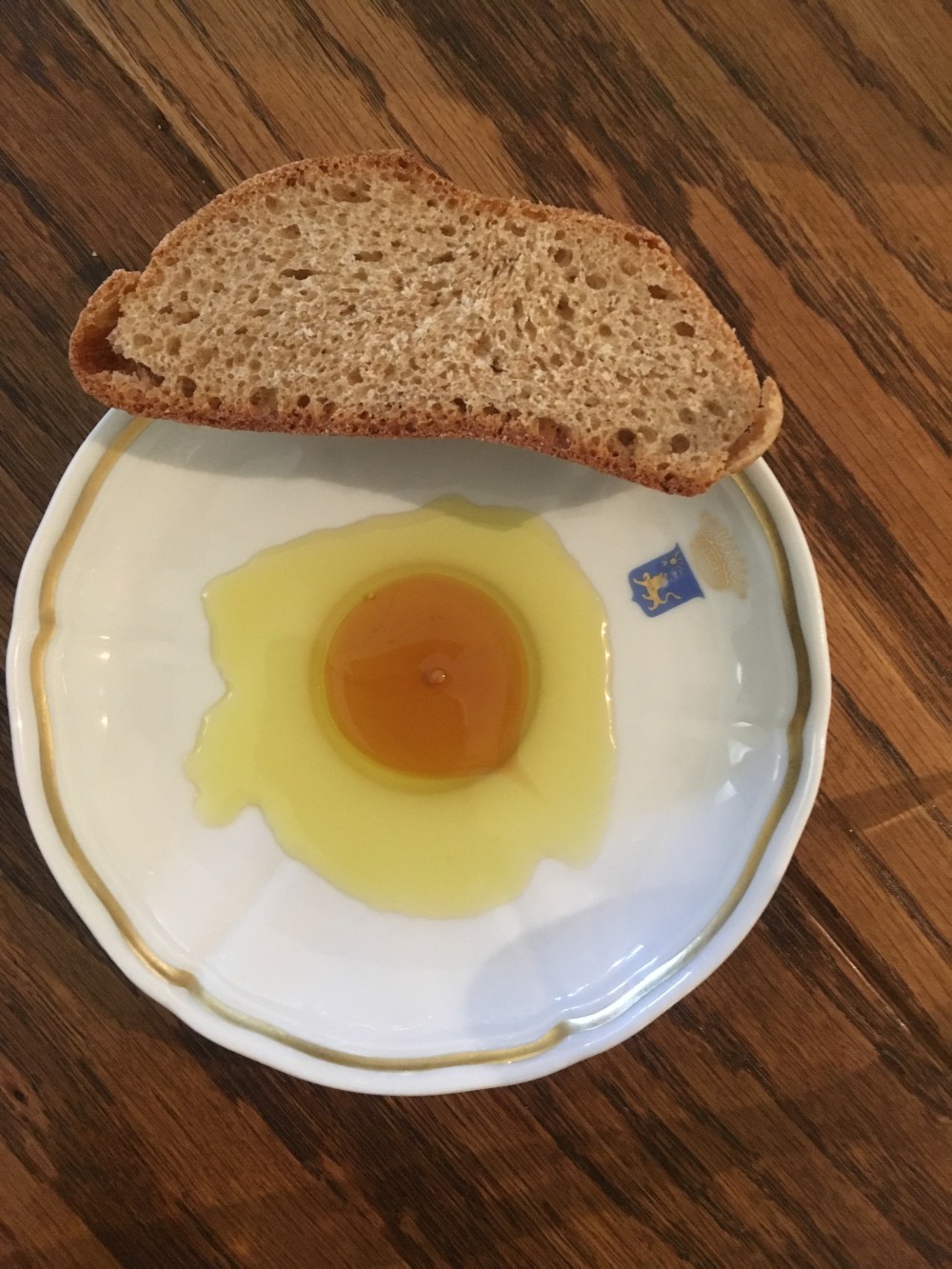
Arabic breakfast: honey and olive oil!
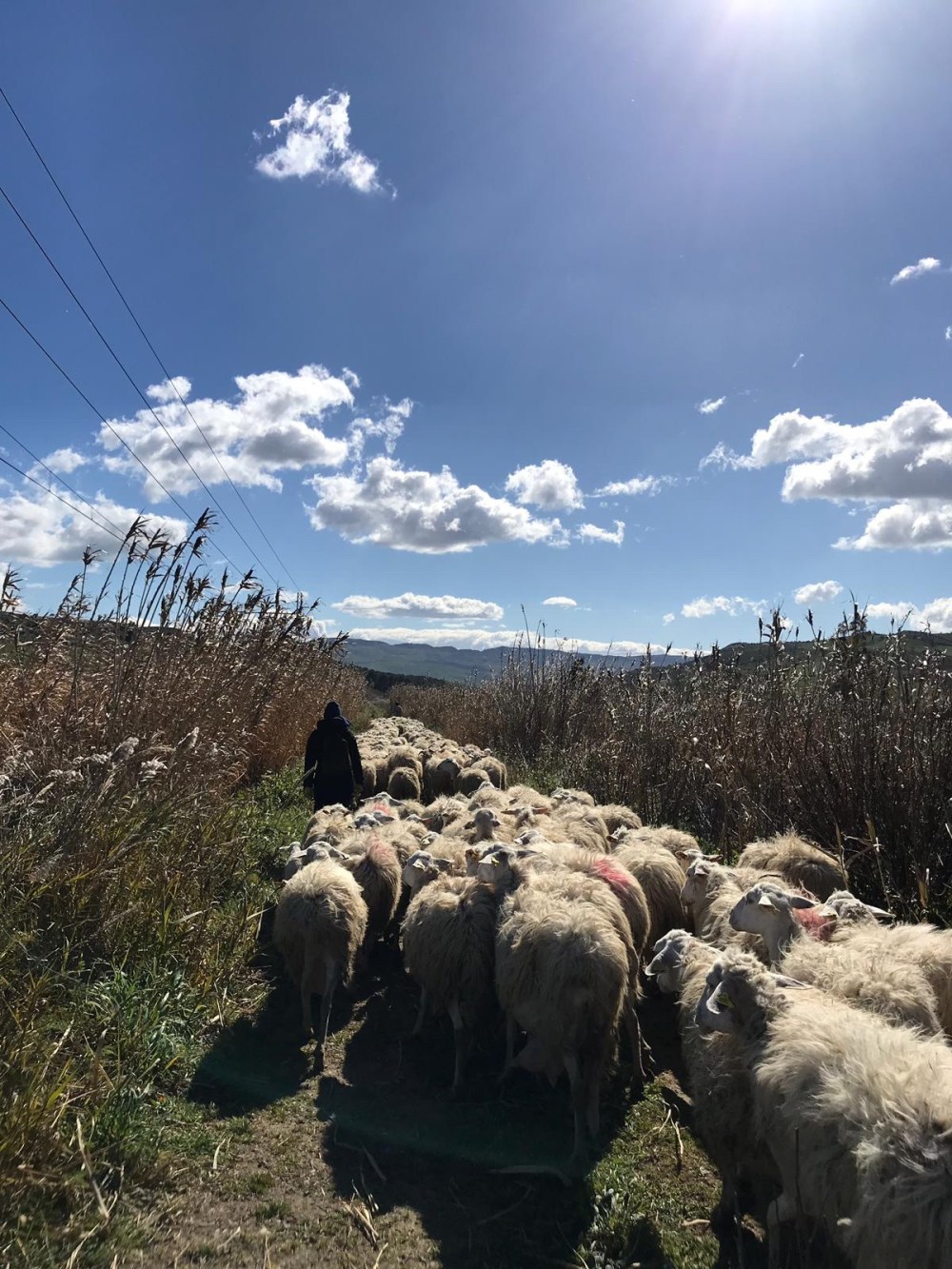
To further explore the value of food we spent a day in the garden prepping our garden plots and planting starts and seeds to tend for the next few weeks (a fun treat to play gardener for a day after all this eating and kitchen time!). The highlight of the week was spending a day at Filippo’s being a shepherd. It began early, in the still dark morning with milking his 250 sheep. My small group of four milked just seven sheep in the time that his two Romanian workers milked the rest. It was the first time I’d ever milked an animal and I can’t claim that I was a natural. By the end I was doing alright but not close to the two handed speed of Konstantinos. Being outside all day with him and the herd was incredible. Both familiar and totally new. A breathtaking landscape, the curiosity of the sheep and lambs, the wind!, eating picnic lunch under an olive tree, the daydreaming that goes along with boredom, cold feet and warm mittens, lots of walking. Perhaps because I have a more similar job to Konstantinos than some of my fellow students I didn’t really romanticize this work (it’s tough! He gets no days off and is payed a livable but low monthly wage of €650) it gave me a new appreciation of this type of labor. He was happy to chat with us and mentioned he likes his job 80% of the time. That’s pretty good for any job. But after working for Filippo for ten years and at 29 he said he’s getting old and doesn’t want to do this forever.

It was lovely to spend time this week with people who are so vibrantly passionate about the work they do. I was engaged just by their excitement about their relationship to food or land or animal. Some of the romance comes through because of the language, I’m sure, but the way these people all spoke about their work and the deep respect they hold for creation is evident. And by meeting these producers and learning the stories of others like them allows the value of food to increase.
 Field Guide to Delicious